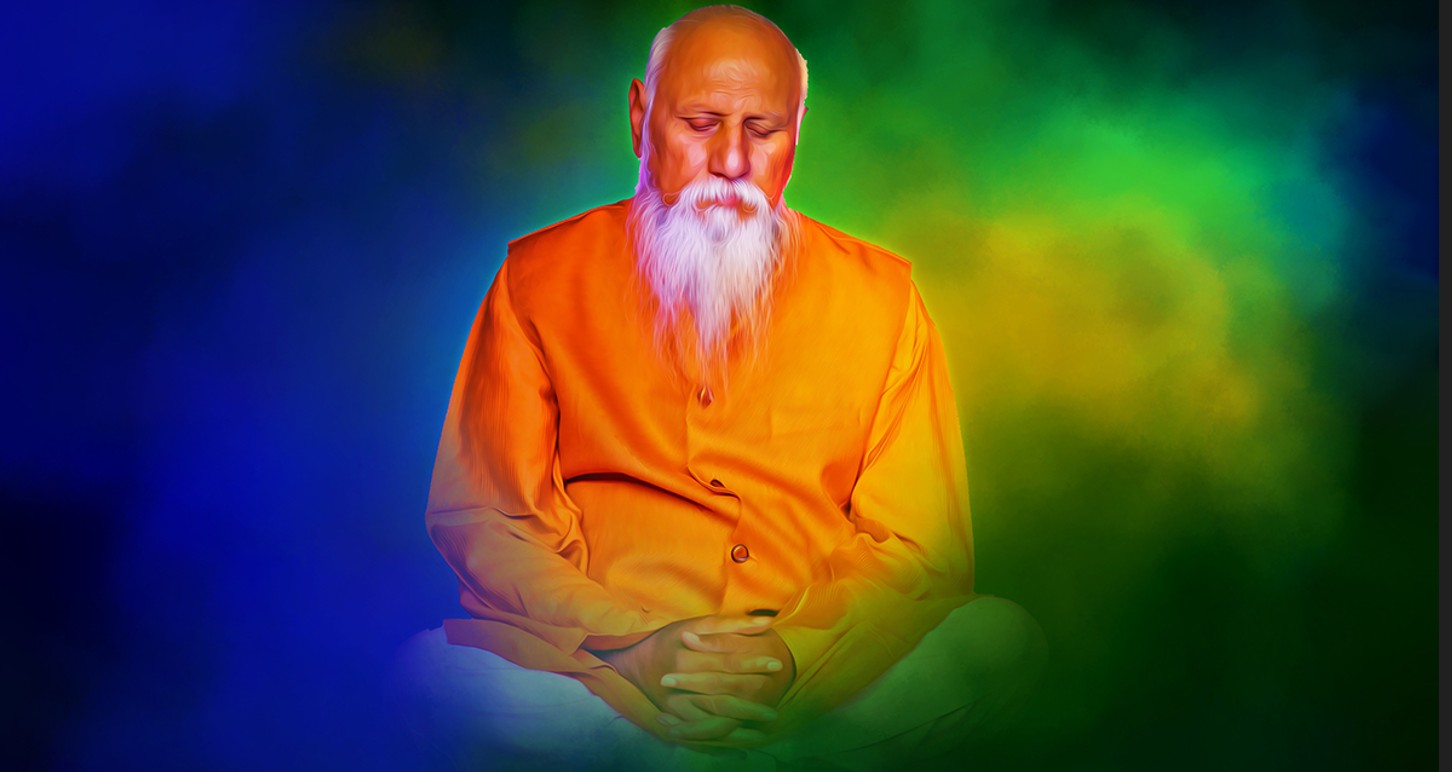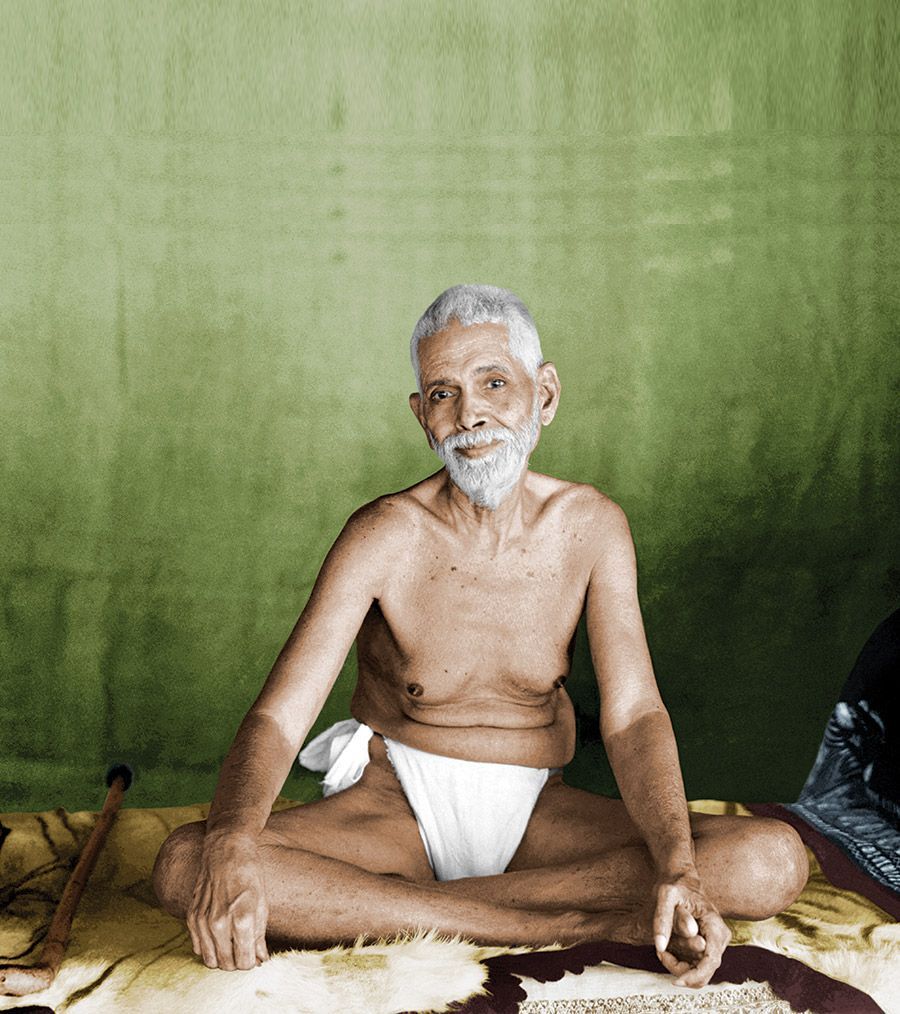
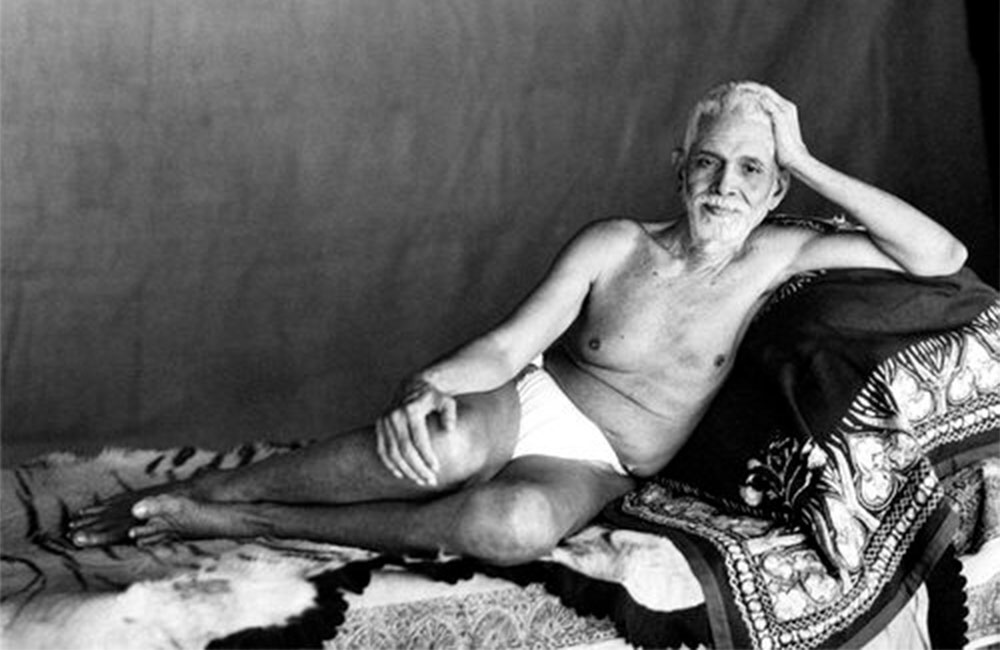
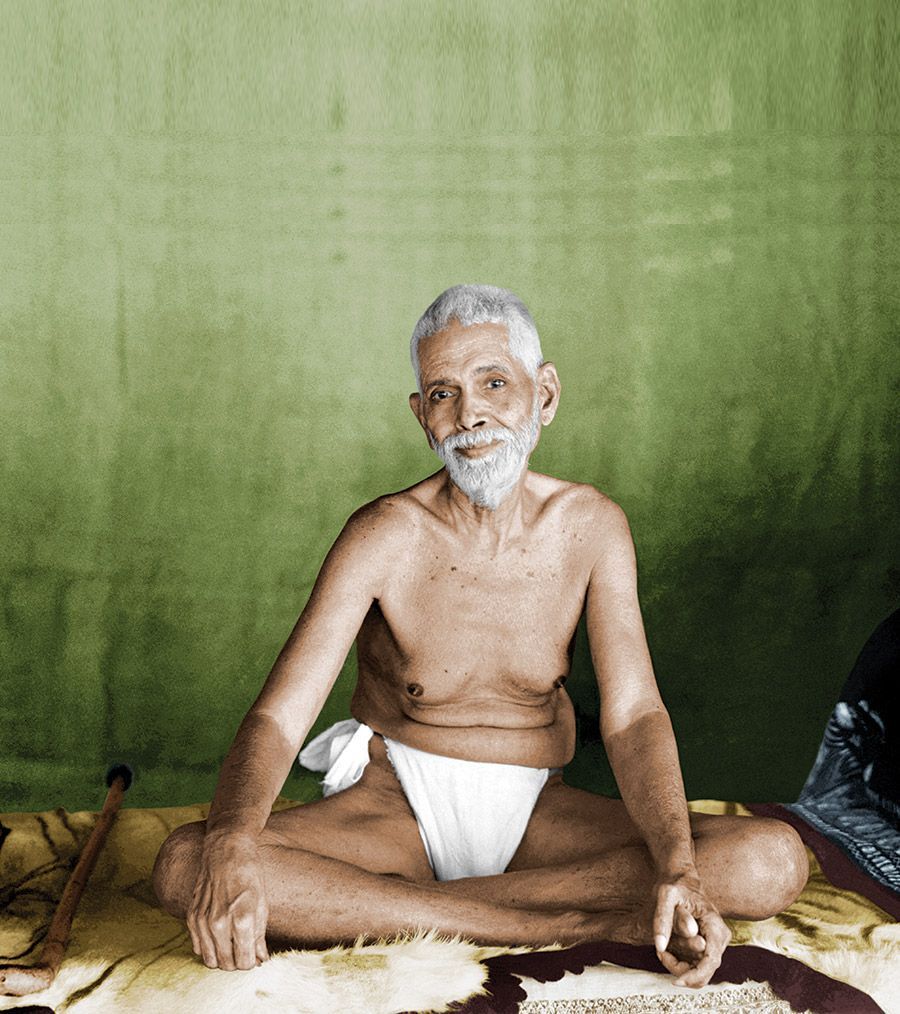
Sri Ramana Maharshi (1879–1950) was one of India's most revered spiritual sages, known for his profound teachings on Self-enquiry, silence, and the realization of the true Self. He spent most of his life at the sacred mountain Arunachala in Tiruvannamalai, Tamil Nadu.
His central teaching was remarkably simple:
“Who am I?”
He encouraged people to turn their attention inward and investigate the source of the feeling “I” rather than searching for lasting happiness only in the external world. His teachings continue to influence spiritual seekers across the world
The extraordinary turning point in his life
At around sixteen years of age, while living in Madurai, Venkataraman experienced an intense fear of death. Rather than trying to escape the fear, he lay down and investigated what death actually meant.
He imagined that his body had died and asked himself, in effect: If the body dies, what is it that truly remains?
Through this inward investigation, he experienced what he understood as the deathless nature of the Self. This event became the defining turning point in his spiritual life.
Soon afterwards, in 1896, he left home and travelled to Tiruvannamalai, drawn to Arunachala. He remained there for the rest of his life, devoting himself to spiritual absorption and guiding seekers.